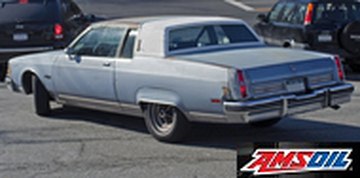
Lubrication Maintenance for the 1980 Oldsmobile 98 5.0L
Maintaining a vehicle from the early 1980s requires a proactive approach to fluid management and mechanical inspection. For the 1980 Oldsmobile 98 equipped with a 5.0L engine, consistent attention to lubrication is a fundamental aspect of long-term ownership. Because older engines may exhibit different sealing characteristics than modern counterparts, understanding how to monitor and respond to changes in lubricant condition is essential for preserving engine health.
Monitoring Fluid Integrity and Consumption
One of the most effective ways to gauge the health of an engine is to observe how it uses its lubricants. Owners should regularly check the level of the engine oil using the appropriate dipstick procedure. A consistent oil level between the minimum and maximum marks indicates a stable system, whereas a declining level warrants closer investigation.
If you notice that the oil level is dropping more frequently than expected, it may indicate several different conditions. For instance, an unusual amount of lubricant consumption can be associated with various internal or external factors. It is important to note that a single symptom, such as a change in how much oil the engine uses, does not point to one specific failure; rather, it serves as a signal that a thorough inspection is necessary. Monitoring for any changes in the appearance of the oil—such as unexpected discoloration or a change in texture—can also provide clues about the engine's operating environment and the effectiveness of the current lubrication strategy.
Observing Potential Warning Signs
While many maintenance needs are identified during scheduled service, being observant of subtle changes can prevent more significant issues. When operating the 1980 Oldsmobile 98, pay attention to any new or unusual mechanical noises that occur during startup or while the engine is idling. While sounds can have many origins, a change in the acoustic profile of the engine should never be ignored.
Additionally, keep an eye out for visible signs of fluid seepage around the engine block or on driveway surfaces. If you observe any liquid accumulating under the vehicle, it is important to identify the substance. If the fluid is amber or dark brown and has a distinct oily texture, it may indicate that a seal or gasket is no longer providing an airtight fit. Furthermore, if you notice unusual exhaust smoke, this can be a sign of how the engine is managing its lubricants under load. Because these symptoms can be caused by many different components, they should be treated as prompts for professional diagnosis rather than definitive proof of a specific part failure.
Prioritizing Maintenance Based on Current Condition
For an older vehicle, maintenance priorities often shift from strictly following a calendar to assessing the actual condition of the machine. Rather than replacing parts based solely on their age, a more effective strategy is to use the current state of the vehicle to guide your service decisions. This involves distinguishing between necessary preventive maintenance and the unnecessary replacement of components that are still functioning correctly.
If you do not have a complete history of previous repairs or service for this 1980 Oldsmobile 98, establishing a maintenance baseline is a wise first step. This can be done by performing a comprehensive inspection of all fluids and accessible mechanical components. Once you understand the current state of the vehicle—such as the condition of the hoses, if present, or the integrity of electrical connections—you can address active concerns like leaks or overdue fluid changes before moving on to long-term preventive tasks. Keeping a detailed log of every oil change, filter replacement, and observed leak will help you track patterns over time, making it easier to identify when a component is beginning to deviate from its normal operating state.
Inspecting Aging Components and Seals
As vehicles age, the materials used in gaskets and seals can undergo changes due to heat cycles and time. When performing routine inspections on the 5.0L engine, it is practical to look for signs of age-related seepage. This does not necessarily mean a component has failed, but rather that its ability to maintain a perfect seal may be changing.
During your visual checks, examine accessible areas for any evidence of moisture or oily residue. If the vehicle is equipped with various drive belts, inspect them for signs of deterioration such as cracking, glazing, or fraying. Similarly, if there are visible hoses present in the engine compartment, check them for softness, swelling, or hard spots. These inspections are most effective when performed while the engine is cool and clean, allowing you to see small amounts of seepage that might otherwise be hidden by dirt or grime.
Effective Record Keeping for Long-Term Ownership
The longevity of a 1980 Oldsmobile 98 is often a reflection of the consistency of its care. Maintaining a dedicated folder or digital file for all service records provides immense value. Documentation should include not only the dates and mileage of oil changes but also specific observations made during inspections, such as "slight seepage noted at the rear" or "hoses appear supple."
Having this history allows you to see if a particular issue is new or has been a persistent characteristic of the vehicle. It also assists when seeking professional service, as a technician can quickly understand what has already been addressed and what requires immediate attention. A well-documented maintenance history transforms guesswork into informed decision-making, ensuring that you are addressing the actual needs of the engine rather than reacting to perceived problems.
Practical Advice for Buying Engine Oil for your 1980 Oldsmobile 98 5.0L
When it is time to replenish your engine's lubricant, the most important step is to ensure that the product you select matches the specific requirements of your application. Do not rely on general assumptions about what an older vehicle might need; instead, match the engine oil to the application-specific viscosity information already displayed on this webpage.
As you browse available products, check the labels carefully to verify that the oil meets the appropriate quality standards and certifications for your needs. Depending on your specific driving habits and the current condition of your engine, you may encounter various formulations, including conventional oils, synthetic blends, or full synthetic options. Some high-mileage oil formulations also contain additives intended for use in aging engines, including seal-conditioning additives that may be beneficial for vehicles showing signs of minor seepage. Always prioritize the viscosity and service specifications provided in the application information above to ensure your 1980 Oldsmobile 98 receives the correct lubrication.